
Politics shapes almost every part of daily life, from laws and public services to education, the economy and international relations. A degree in Political Science helps you understand how governments work, how decisions are made, and how citizens can take part. For women in Pakistan, it can be a gateway to careers in public service, law, research, media, development and leadership. This guide explains what BS Political Science involves, what you will study, and which jobs it can lead to.
What Is BS Political Science?
BS Political Science is a four-year undergraduate degree (eight semesters). It studies political ideas, institutions, governance, public policy and international affairs, with a strong focus on analysis, research and writing.
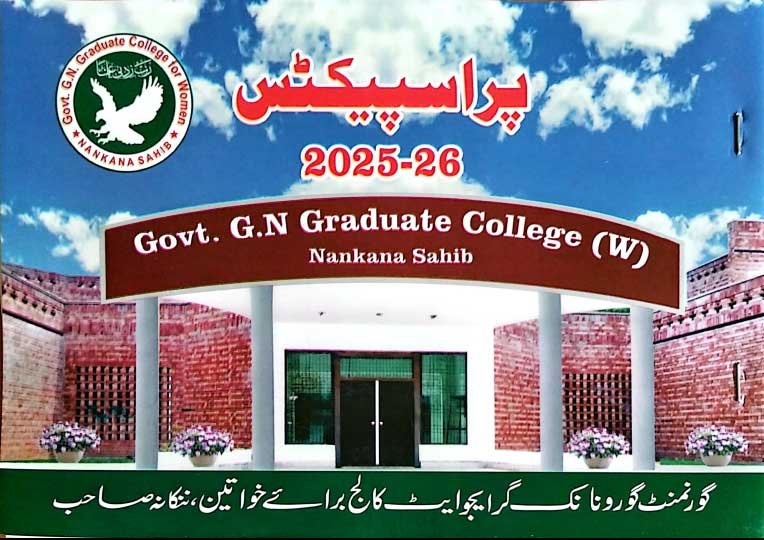
At Govt Guru Nanak Graduate College (W), Nankana Sahib, the BS Political Science program is affiliated with Government College University Faisalabad (GCUF), so students follow the university’s curriculum and examination system.
Who Can Apply?
Students who have completed Intermediate (FA, FSc, ICS or an equivalent qualification) from a recognized board can generally apply, subject to the minimum marks and eligibility criteria of the affiliating university. Requirements can change each session, so confirm them in the official prospectus or with the college office.
Subjects You Will Study
Course names and their order are decided by the university and may be updated, so this is a general overview, not an exact list.
Core Political Science Courses
- Introduction to political science
- Political theory and political thought (ancient to modern)
- Comparative politics and comparative government
- Constitutional development and politics in Pakistan
- Public administration and governance
- Public policy analysis
- Political parties, elections and pressure groups
International Relations Courses
- Introduction to international relations
- Foreign policy of Pakistan
- International organizations such as the United Nations
- Conflict, peace and security studies
- Regional politics, including South Asia and the Muslim world
Research and Skills Courses
- Research methods in political science
- Academic writing and communication
- Basic statistics and data interpretation
- Thesis, project or internship work
General Education Courses
- Islamic Studies or Ethics
- Pakistan Studies
- Functional English
- Computer skills and other university requirements
Skills You Will Build
- Analytical thinking: weighing evidence and understanding complex problems.
- Strong writing: reports, policy briefs, essays and applications.
- Public speaking and debate: presenting ideas clearly and confidently.
- Research ability: collecting information, evaluating sources and drawing conclusions.
- Civic awareness: understanding rights, laws and institutions.
- Leadership and teamwork: working with others on shared goals.
Career Options After BS Political Science
1. Civil Service and Competitive Exams
Political Science is a popular background for CSS and PPSC candidates, since topics such as governance, international relations, Pakistan affairs and current affairs overlap strongly with exam subjects. Success still depends on dedicated, long-term preparation.
2. Government Jobs
Graduates can apply for administrative and officer positions in federal and provincial departments, local government and public bodies, depending on the qualification and age requirements of each post.
3. Teaching and Academia
With further study such as MS or MPhil and then a PhD, graduates can become college and university lecturers. Graduates can also teach at schools, with additional teaching qualifications where required.
4. Law
Many graduates continue to law studies. Check the current eligibility rules for LLB programs and the Bar Council, since these change over time.
5. Journalism and Media
Newsrooms and digital platforms need people who understand politics and can explain it well. Careers include reporter, political analyst, researcher, producer, editor and content writer.
6. NGOs and Development Sector
NGOs, international organizations and development projects hire graduates for roles such as program officer, research assistant, advocacy coordinator, community mobilizer and monitoring and evaluation assistant. Work in women’s rights, education and health is especially active in this sector.
7. Research and Think Tanks
Policy institutes and research organizations look for graduates with research and writing skills to work as research associates and policy analysts.
8. Diplomacy and International Affairs
A political science degree supports careers connected to foreign affairs, such as the Foreign Service via CSS, and positions in international organizations. These routes are highly competitive and usually need further study and strong English skills.
9. Politics and Public Leadership
Graduates can take part in local government, community organizations, political parties and advocacy campaigns, using what they learned about elections, laws and public administration.
10. Further Studies
Options include MS or MPhil in Political Science, International Relations, Public Policy, Public Administration, Peace and Conflict Studies, or Development Studies, in Pakistan or abroad, including through scholarships.
Why Political Science Is a Strong Choice for Women
- Representation matters: Pakistan needs more women in policy, administration, law and public life.
- Flexible paths: teaching, research, writing and NGO work can fit different family and personal circumstances.
- Respected careers: public service and academia are widely trusted professions.
- Voice and confidence: the degree trains you to speak and write with authority.
Tips for Success
- Follow current affairs. Read a reliable English and Urdu newspaper daily.
- Read the Constitution. Understanding Pakistan’s Constitution gives you a head start.
- Practice writing. Write short essays and summaries regularly and ask teachers for feedback.
- Join debates and societies. Build confidence by taking part in college events.
- Plan for exams early. If you aim for CSS or PPSC, start building general knowledge and English skills during your degree.
Frequently Asked Questions
Is BS Political Science a good degree for girls in Pakistan?
Yes. It leads to respected careers in public service, education, media, law and the development sector, and gives women skills to take part in public life.
Can I do BS Political Science after FSc or ICS?
In most cases yes, but check the current eligibility rules in the prospectus, as they depend on the university.
Is Political Science useful for CSS?
It can help, because many CSS topics relate to governance, international relations and Pakistan affairs. However, CSS requires broad preparation and strong writing skills, regardless of your degree.
Can I become a lawyer after BS Political Science?
Some graduates move to law, but eligibility rules for LLB admission and the Bar Council change. Check the current requirements before planning this route.
How long is the program?
The BS program is four years, divided into eight semesters.
Apply for BS Political Science
If you are interested in how societies are governed and want to make a difference, BS Political Science can be the right start. Read our Admission Information page for requirements and the prospectus, or call +92 306 4211920 / 0569201067 for guidance.
