
Islamic Studies is more than the study of religious texts. It is an academic discipline that explores the Quran, Hadith, Islamic law, history, thought and culture, and it connects that knowledge to the questions of modern society. For many young women in Pakistan, BS Islamic Studies is a meaningful path that combines faith, scholarship and practical careers. This guide explains the eligibility, the course outline and the career paths of BS Islamic Studies.
What Is BS Islamic Studies?
BS Islamic Studies is a four-year undergraduate degree (eight semesters). It builds a strong understanding of Islamic sources, sciences and history, along with research, writing and communication skills.
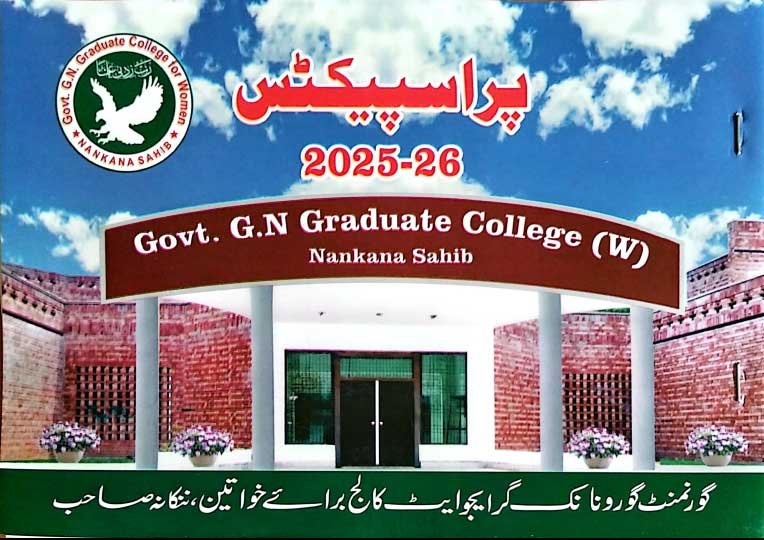
At Govt Guru Nanak Graduate College (W), Nankana Sahib, the BS Islamic Studies program is affiliated with Government College University Faisalabad (GCUF), so students follow the university’s curriculum and examination system.
Eligibility Criteria
Students who have completed Intermediate (FA, FSc, ICS or an equivalent qualification) from a recognized board can generally apply, subject to the minimum marks and eligibility rules of the affiliating university. Students from any Intermediate group are usually eligible, but requirements can change each session. Please confirm the current criteria in the official prospectus or with the college office.
Documents Usually Required
- Attested copies of Matric and Intermediate certificates and result cards
- CNIC or B-Form
- Domicile certificate
- Recent passport-size photographs
- Any other document listed in the prospectus
Course Outline
The exact titles, credit hours and semester order are set by the university and may be updated, so this is a general overview of what students typically study, not an official list.
Core Islamic Studies Courses
- Quranic studies: introduction to the Quran, its sciences (Ulum al-Quran) and Tafsir (exegesis)
- Hadith studies: the history of Hadith, its sciences (Ulum al-Hadith) and selected texts
- Fiqh and Usul al-Fiqh: Islamic jurisprudence and the principles of deriving rulings
- Seerah: the life of the Prophet Muhammad (peace be upon him)
- Islamic history and civilization: the early period, Islamic empires and cultural contributions
- Aqeedah and Islamic thought: beliefs, theology and schools of thought
Contemporary and Applied Courses
- Islamic economics and finance
- Islamic political and social system
- Comparative religion and interfaith studies
- Women in Islam
- Islamic law in Pakistan and the Constitution
- Contemporary issues in the Muslim world
Language and Skills Courses
- Arabic language and basic grammar
- Academic reading and writing
- Research methods
- Communication and presentation skills
- Thesis, project or internship work
General Education Courses
- Pakistan Studies
- Functional English
- Computer skills and other university requirements
Skills You Will Build
- Textual understanding: reading and interpreting primary sources carefully.
- Arabic knowledge: working knowledge of key terms and texts.
- Research and writing: developing arguments with sources and references.
- Ethical reasoning: thinking through moral and social questions.
- Public speaking: explaining ideas clearly to different audiences.
- Cultural and interfaith awareness: respectful dialogue with different viewpoints.
Career Paths After BS Islamic Studies
1. Teaching
Graduates can teach Islamiat and related subjects at schools, colleges and Quran and Islamic academies, with additional teaching qualifications such as B.Ed where required. Education is one of the most common and respected careers for women in this field.
2. Lecturer and Academic Career
With further study such as MS or MPhil and then PhD, graduates can become lecturers and researchers at colleges and universities, subject to the hiring rules of each institution.
3. Government Jobs
Graduates can apply for teaching, administrative and religious-affairs-related posts in government departments, depending on each post’s qualification requirements. Examples include positions in education, auqaf and religious departments, and the judicial or legal support sector, where the criteria permit.
4. Competitive Exams
Islamic Studies can be chosen as an optional subject in competitive exams such as CSS and PPSC, and graduates often feel confident in the subject. Success still requires broad, long-term preparation.
5. Islamic Finance and Banking
Islamic banks and finance institutions need people who understand Shariah principles. Roles in Shariah compliance, product support and customer education become more accessible with extra training or certification in finance.
6. Writing, Research and Publishing
Graduates can work as researchers, editors, translators and content writers for publishers, magazines, websites and research centers. Skills in Urdu, English and Arabic add real value here.
7. Counseling and Community Work
With suitable training, graduates can work in community education, family guidance and social welfare programs, especially in women’s education and awareness initiatives.
8. Media and Dawah
TV, radio and digital platforms need informed presenters, researchers and scriptwriters for educational and religious content.
9. NGOs and Welfare Organizations
Charitable and development organizations hire graduates for community outreach, program coordination and education projects.
10. Further Studies
Graduates can continue to MS or MPhil in Islamic Studies, Comparative Religion, Islamic Law, Arabic, Education or related fields, in Pakistan or abroad, including through scholarship programs.
Why Study Islamic Studies at Our College?
- Women-only environment: a safe, respectful and supportive campus.
- Government college fees: quality education that families can afford.
- Recognized affiliation: the degree is awarded under Government College University Faisalabad.
- Continuity: students from our Intermediate programs can move straight into BS at the same institution.
- Local access: study in Nankana Sahib without the cost of moving to another city.
Tips for Success
- Build a strong Arabic base. Learn vocabulary and grammar steadily from the first semester.
- Read original and secondary sources. Do not depend only on notes.
- Practice writing. Write short essays and summaries and ask teachers for feedback.
- Learn English and digital skills. They open more job opportunities, especially in research and freelancing.
- Plan your career early. Consider B.Ed, Islamic finance certification or competitive exam preparation alongside your degree.
Frequently Asked Questions
Can I do BS Islamic Studies after FSc or ICS?
In most cases yes, but check the current eligibility rules in the prospectus, as they depend on the university.
Do I need to know Arabic before joining?
No. Arabic is taught as part of the program, though interest and regular practice will help you.
Is BS Islamic Studies only for teaching?
No. Teaching is a common path, but graduates also work in research, Islamic finance, media, NGOs and government jobs, and can continue to higher studies.
Is this degree good for girls?
Yes. It offers respected, flexible careers, particularly in education, research and community work, in a field where women are strongly needed.
How long is the program?
The BS program is four years, divided into eight semesters.
Apply for BS Islamic Studies
If you want to study Islamic knowledge in a way that is academic, practical and relevant to today’s world, BS Islamic Studies is a strong choice. Read our Admission Information page for requirements and the prospectus, or call +92 306 4211920 / 0569201067 for guidance.
